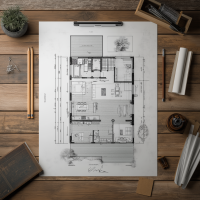
A well-designed floor plan does more than organize space — it shapes how people interact, create, and spend time together. For families and individuals alike, the layout of a home can encourage connection, support routines, and create an environment where both productivity and relaxation naturally coexist.
Open-Plan Living: Encouraging Interaction and Flexibility
Open floor plans remain popular because they remove barriers between key living areas such as the kitchen, dining, and living room. This openness allows family members to stay connected while engaging in different activities. Whether cooking, working, or relaxing, everyone shares the same visual and social space, which strengthens communication and togetherness.
Zoned Layouts: Balancing Privacy and Togetherness
While open spaces are great for interaction, zoning ensures that different activities can happen without disruption. Separating sleeping areas from active zones, or creating designated workspaces, helps maintain balance within the home. This structure allows family members to enjoy both shared moments and personal time.
Multi-Functional Spaces: Adapting to Changing Needs
Homes that include flexible rooms or multi-purpose areas are especially valuable for growing families. A single room might serve as a playroom during the day, a study area in the afternoon, and a relaxation space in the evening. This adaptability supports evolving lifestyles without requiring additional square footage.
Creative Corners and Personal Nooks
Incorporating small, dedicated spaces for creativity can have a big impact. Reading corners, hobby desks, art areas, or even window seats provide opportunities for focused, individual activities. These micro-spaces encourage imagination and give each family member a place to express themselves within the home.
Efficient Circulation and Flow
A thoughtful floor plan ensures smooth movement between rooms. Clear pathways, minimal bottlenecks, and intuitive connections between spaces make daily life more efficient. Good circulation reduces friction in routines and allows the home to feel natural and easy to navigate, even when multiple people are present.
Connection to Outdoor Areas
Floor plans that integrate patios, balconies, or gardens extend living spaces beyond the interior. Easy access to outdoor areas creates additional zones for relaxation, play, and social gatherings. This connection to nature enhances both creativity and family interaction by offering a change of environment within the same home.
Shared Spaces That Bring People Together
Kitchens, dining areas, and living rooms often serve as the heart of the home. When these spaces are designed to accommodate group activities — such as cooking together, eating, or playing games — they naturally become central gathering points. Comfortable, well-scaled shared areas encourage regular interaction and strengthen family bonds.
In Conclusion
The right floor plan supports both creativity and family life by balancing openness with privacy, flexibility with structure, and shared spaces with personal zones. When thoughtfully designed, a home becomes more than a collection of rooms — it becomes an environment that adapts to daily routines, encourages connection, and inspires the way people live together.