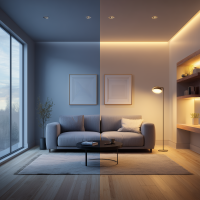
Lighting is one of the most influential yet often underestimated elements in residential design. It has the ability to shape how a room feels, how spacious it appears, and how buyers emotionally respond the moment they walk through the door. Even without changing any furniture or finishes, the strategic use of lighting can transform an ordinary space into one that feels warm, inviting, and thoughtfully curated. For homeowners preparing to sell, understanding the impact of lighting design is essential, because buyers frequently connect with a home based on how it makes them feel rather than on its technical features alone.
The quality of light affects the perceived size and proportion of a room. Bright, even illumination can make a compact space feel more open, while poorly distributed or dim lighting can make even a large room seem smaller and uninviting. Natural light plays an important role, but artificial lighting fills the gaps by extending the effect throughout the day. A room that benefits from a balanced combination of overhead lighting, accent fixtures, and softer ambient sources allows buyers to see every detail clearly and interpret the home as clean, maintained, and comfortable.
Lighting also influences mood and atmosphere. Warm-toned lighting often brings a sense of coziness and relaxation, making living rooms, bedrooms, and dining areas feel more welcoming. Cooler tones can highlight modern finishes or emphasize cleanliness in kitchens and bathrooms. The right temperature and intensity create harmony between the design elements and the function of the space, preventing areas from feeling harsh, flat, or overly dramatic. When lighting aligns with the intended purpose of the room, buyers intuitively sense it, even if they can’t articulate why the space feels “right.”
Architectural features become significantly more impactful when lighting is used intentionally. Details such as textured walls, high ceilings, built-in shelving, or unique materials gain depth and presence under targeted illumination. Conversely, poor lighting can cause these elements to fade into the background. Buyers often perceive a well-lit home as more thoughtfully designed and better cared for, simply because every corner is visible and every highlight looks deliberate.
For sellers, updating lighting is one of the most cost-effective ways to elevate presentation. Replacing outdated fixtures, adjusting placement, increasing bulb quality, or adding layered sources can dramatically change the viewing experience. A home with well-planned lighting feels more modern, more polished, and more aligned with current buyer expectations. These impressions contribute directly to stronger emotional engagement, which is a key driver in competitive markets.
Ultimately, lighting design is not just about brightness—it is about creating the feeling of a space. It guides the eye, sets a tone, and helps buyers imagine themselves living comfortably in the home. When used effectively, lighting becomes an essential storytelling tool that enhances appeal, elevates perceived value, and leaves a lasting impression long after the showing ends.