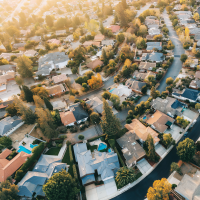
A home’s value isn’t shaped only by the property itself. The way a neighbourhood is designed often plays a quiet but powerful role in how desirable that home remains over time. Long after finishes age or interiors are updated, the layout of the surrounding area continues to influence daily life and long-term demand.
Neighbourhoods with clear structure tend to hold value better. Streets that are easy to navigate, logical in their design, and not overloaded with traffic create a sense of order and comfort. Curved roads, shorter blocks, and well-planned intersections naturally slow traffic and make areas feel safer and more residential, which appeals to buyers years down the line.
Walkability is another key factor tied closely to layout. Neighbourhoods where daily errands, green spaces, and local services are within a reasonable walking distance often feel more connected and self-sufficient. Sidewalks, pedestrian pathways, and visible street activity contribute to a lifestyle many buyers continue to prioritize over time.
The balance between density and privacy also matters. Areas that mix different housing types without feeling overcrowded tend to age well. Thoughtful spacing between homes, mature landscaping, and a sense of openness help prevent neighbourhoods from feeling dated or overbuilt as they evolve.
Access points and connectivity influence long-term appeal more than many realize. Neighbourhoods with multiple entry routes and efficient connections to major roads or transit systems tend to handle growth better. This reduces congestion and makes the area more resilient as surrounding communities develop.
Shared spaces play an important role as well. Parks, pathways, and communal green areas encourage interaction without sacrificing privacy. Over time, these features become part of the neighbourhood’s identity and help maintain consistent demand.
Ultimately, neighbourhood layout shapes how a place functions long after it’s built. When the design supports ease, balance, and livability, the area continues to attract interest — and value — well into the future.