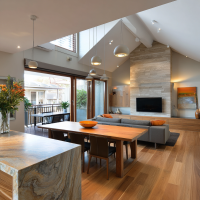
Subtle interior adjustments often have a far greater impact on buyer perception than homeowners expect. Even when the structure, layout, and finishes of a property remain unchanged, small improvements can shift how buyers interpret the space, how they feel as they walk through it, and ultimately how they assess its value. These details shape the first impression, which is one of the strongest psychological drivers in the decision-making process. Most buyers form a general judgment about a home within seconds, and minor interior enhancements can guide that judgment in a more positive direction.
Simple updates such as refreshed paint, modern hardware, or refined lighting can immediately alter the atmosphere of a room. Neutral tones make spaces feel larger and more cohesive, while updated fixtures subtly convey that the home has been cared for and periodically improved. Even modest staging—such as decluttering, repositioning furniture, and adding soft textiles—can change how buyers perceive both the scale and function of a room. Instead of noticing limitations, buyers start to imagine possibilities, and that shift greatly enhances emotional engagement with the property.
Small tweaks also help minimize distractions. When buyers encounter worn elements like scuffed baseboards, outdated switch plates, or dim hallways, they subconsciously assign higher maintenance expectations to the home as a whole. By resolving these details beforehand, homeowners create a smoother viewing experience where nothing interrupts the buyer’s focus on the property’s strengths. The home feels more polished, more move-in ready, and more consistent with what buyers expect at a given price point.
Interior adjustments can also influence perceived value. A home that presents well visually tends to feel more expensive, even if the upgrades are minor and inexpensive. Buyers often associate a clean, cohesive aesthetic with better overall care, which reduces concerns about hidden issues and raises confidence during the showing. This can translate into stronger offers, fewer objections, and a faster sales cycle. In competitive markets, where buyers must compare multiple homes in a short time, the one that feels intentionally prepared typically stands out.
Ultimately, these small interior changes do more than improve aesthetics—they shape the emotional narrative buyers experience as they walk through the home. When the space feels inviting, well-maintained, and thoughtfully presented, buyers respond with greater positivity and a stronger sense of connection. And in real estate, where decisions are driven as much by feeling as by logic, those impressions can make all the difference.