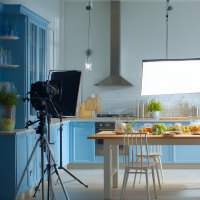
High-quality visuals are essential in today’s real estate market. Buyers often make their first impressions online, and professional photos and videos can be the difference between attracting interest or being overlooked. Preparing your home carefully before a photo or video shoot ensures that it is presented in the best possible light, highlighting its features and creating a welcoming atmosphere.
Start by focusing on cleanliness and decluttering. A tidy space feels larger and more inviting, and removing personal items allows potential buyers to imagine themselves living there. Countertops, shelves, and tables should be cleared of excessive items, while furniture should be arranged to optimize flow and highlight room dimensions. Even small touches, like organizing closets and cabinets, can make a property appear well-maintained and spacious.
Lighting is another critical factor. Professional photographers often rely on natural light to create bright and appealing images. Ensure that windows are clean and curtains or blinds are opened to allow maximum light. Artificial lighting should be balanced—turn on lamps in darker areas and replace any burnt-out bulbs. Avoid harsh overhead lighting that can create shadows or unflattering tones.
The home’s exterior and curb appeal are equally important. A neat lawn, trimmed shrubs, and a clean driveway contribute to a strong first impression. Small details, such as a freshly painted door, potted plants, or seasonal decorations, can make the exterior more inviting and photogenic. Photographers often spend significant time capturing the entryway and front facade, as these images set the tone for the rest of the listing.
Staging plays a subtle but vital role. Even minimal staging can help rooms appear larger, brighter, and more functional. Neutral décor, carefully chosen furniture placement, and attention to small accents like pillows or rugs can enhance the visual appeal without overwhelming the space. In some cases, professional staging may be recommended for higher-end properties or those with challenging layouts.
During the shoot, ensure that pets and children are out of the way to avoid distractions. Remove personal photographs, certificates, and other items that may draw focus away from the property itself. Attention to detail, including small touches like hiding cords, securing valuables, and ensuring surfaces are spotless, can elevate the quality of the final images and videos.
Finally, communicate with your real estate professional and the photographer. Understanding the goals of the shoot, preferred angles, and key features to highlight ensures that your home is presented in the best light. Timing is also important—scheduling shoots during optimal daylight hours can dramatically improve image quality.
By taking the time to prepare carefully, homeowners can maximize the impact of professional photography and videography. The result is a polished, attractive listing that draws attention, generates interest, and ultimately helps sell the property more quickly and at a competitive price.