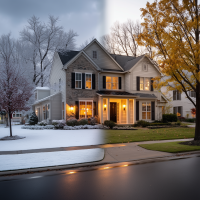
Preparing your home for winter doesn’t have to involve major renovations or costly upgrades. With careful planning and attention to detail, homeowners can protect their property from cold-weather damage while improving comfort and energy efficiency without breaking the budget.
One of the most effective and inexpensive strategies is to address drafts and insulation. Simple measures such as sealing gaps around windows and doors with weatherstripping or caulking can prevent heat loss and reduce utility bills. Adding draft stoppers to exterior doors or insulating attics and crawl spaces with affordable materials can further enhance warmth throughout the home.
Maintaining heating systems is another key consideration. A basic service for your furnace, boiler, or heat pump ensures it operates efficiently during colder months. Cleaning or replacing filters is inexpensive and can improve airflow and reduce energy consumption. In addition, programmable thermostats allow homeowners to control temperature settings intelligently, minimizing wasted energy while maintaining comfort.
Protecting plumbing from freezing is a critical winter-proofing step. Insulating exposed pipes, particularly in basements, garages, and attics, can prevent costly bursts. Letting faucets drip slightly during extremely cold nights and keeping cabinet doors open under sinks helps maintain circulation and prevents freezing in vulnerable areas.
Small exterior maintenance tasks also go a long way. Clearing gutters of leaves and debris prevents ice dams and water damage, while checking the roof for loose shingles or minor leaks reduces the risk of winter-related repairs. Outdoor faucets should be turned off and drained if possible, and hoses disconnected to avoid pipe damage.
Simple interior adjustments can enhance comfort and efficiency. Using heavy curtains or thermal drapes helps retain heat, while strategically placing rugs or carpets over cold floors provides both insulation and coziness. Furniture placement can also influence warmth, ensuring that heating vents are unobstructed and air circulates freely.
Even small aesthetic improvements contribute to a winter-ready home. Replacing dim or burnt-out light bulbs, refreshing weathered paint near doors and windows, and ensuring smoke and carbon monoxide detectors are functional not only improves safety but also maintains the home’s overall value and appeal.
Winter-proofing doesn’t need to be expensive or time-consuming. By focusing on insulation, heating maintenance, plumbing protection, and minor interior and exterior adjustments, homeowners can safeguard their property, improve comfort, and reduce energy costs. These simple steps create a more resilient home, ready to withstand the challenges of the cold season while maintaining its long-term value.