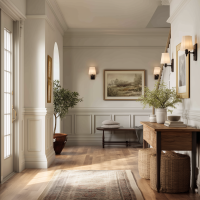
There's something special about living in a home with a story to tell. Whether it's a centuries-old house with original details, a mid-century modern gem, or a quaint cottage that has seen generations of families, homes with history offer a unique charm and character that modern houses often lack. Living in a home with a past brings its own set of rewards and challenges, but the experience can be deeply rewarding for those who appreciate both the tangible and intangible aspects of a historic property.
1. Timeless Charm and Character
One of the most obvious advantages of living in a historic home is the charm and character that comes with it. From the intricate woodwork and original moldings to the creaky floors and antique fixtures, there’s a sense of warmth and nostalgia that new homes just can’t replicate. Historic homes often boast craftsmanship and architectural features that are hard to find in modern construction, such as hand-carved wood details, stained glass windows, or unique stonework.
These features give the home a personality that evolves over time, making it feel like something more than just four walls. The older a house is, the more likely it is to have a sense of individuality, which can make living in it feel like you're part of something bigger — a home that’s not just about today but has lived through generations.
2. Stories From the Past
Every historic home has a story. These homes are often tied to the rich history of the area in which they’re located. From previous owners to significant events, there’s often a fascinating tale waiting to be uncovered. Some historic homes might have been witness to major cultural or historical moments, while others have seen the passage of time through the eyes of ordinary people who have shaped their communities.
Living in a home with a history means you can immerse yourself in these stories. Whether it's learning about past owners, the architectural style of the house, or how the surrounding neighborhood has changed over time, the stories hidden within the walls of your home add a layer of depth and intrigue that makes living there an ongoing adventure. For history buffs, this can be especially thrilling.
3. Unique Design and Architecture
Historic homes are known for their unique designs, often reflecting the architectural style of their time. Whether it’s a Victorian mansion, a Colonial Revival cottage, or a mid-century modern bungalow, each era has its own distinct aesthetic. Living in a home from another time gives you a chance to appreciate design choices that were made long before contemporary trends took hold.
In older homes, you may find features that are now considered luxurious or rare, such as grand fireplaces, high ceilings, bay windows, or original hardwood floors. Many people love the combination of period design with modern touches, like updated kitchens or bathrooms that coexist with historical details.
4. The Surprises of Living in a Historic Home
Living in a historic home often comes with its share of surprises — some delightful, others less so. These homes have had years of wear and tear, and it's not uncommon for things to go wrong unexpectedly. You might uncover hidden doors, secret passages, or forgotten attic spaces that add to the home’s charm. Sometimes, though, you might also find that repairs are needed, such as fixing old wiring or restoring antique fixtures.
Older homes tend to have quirks that modern homes simply don’t. For example, you might discover that the floor slants slightly, or certain rooms are shaped in unconventional ways. These little surprises can make living in a historic home both exciting and unpredictable. They also keep you on your toes, ensuring that every day is a new experience.
5. Sustainability and Longevity
Many historic homes were built to last, often with materials that are hard to find today. This longevity is one of the benefits of living in a home with history — you’re living in a property that was designed with durability in mind. Features such as brick exteriors, slate roofs, and solid wood structures can withstand the test of time and are often more resilient than modern building materials.
While older homes may require more upkeep, they tend to be more sustainable in the long run. With the right care, these homes can last for many more decades. Additionally, many historic homes are built in walkable neighborhoods, close to public transportation, and designed with the idea of using less land, which adds an environmental benefit.
6. Challenges of Maintenance and Upkeep
While living in a historic home can be a dream, it’s important to be prepared for the challenges that come with it. Older homes often require more maintenance than newer homes, as their systems — such as plumbing, electrical wiring, or roofing — may need updating. You may find yourself spending time and money on repairs and renovations, particularly if the home hasn’t been well maintained over the years.
It’s important to be prepared for the reality of owning a historic property. While some projects can be tackled as DIY, others may require professional expertise. However, with the right investment and care, these homes can continue to thrive and be enjoyed for many years.
7. Historical Preservation and Responsibility
Owning a historic home often comes with a sense of responsibility. Many older homes are protected by preservation laws, which means that any alterations must be carefully considered to maintain the home’s historical integrity. This can limit some of the changes you may want to make, but it also ensures that the home’s charm and uniqueness are preserved for future generations.
If you're passionate about history, living in a historic home can be a deeply fulfilling experience. It allows you to play a part in preserving the past while enjoying the richness and character that comes with it.
8. A Deep Sense of Belonging
Living in a home with history often creates a sense of connection to the past. There’s something truly special about waking up each day in a home that has stood the test of time, knowing that generations before you have done the same. Whether you’re honoring the legacy of those who lived there before or simply enjoying the character of the property, there’s a deep sense of belonging that comes with living in a home that has a story to tell.
A historic home offers a lifestyle filled with charm, stories, and surprises. While it may require more upkeep and attention than a modern property, the rewards — from the rich history to the unique design and character — are unparalleled. If you’re drawn to the idea of living in a home with history, be ready to embrace the quirks and surprises that come with it. With the right approach, living in a historic home can be a truly fulfilling experience.