When evaluating a property in Canada, many buyers focus on location, price, and condition, but environmental risks are just as important and are often less visible during a standard showing. These factors can affect safety, insurance costs, and long-term property value.
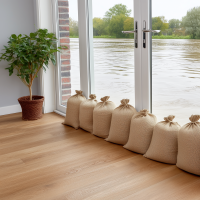
One of the most significant environmental considerations is flood risk. Certain properties may be located in designated floodplains or low-lying areas near rivers, lakes, or coastal zones. Even if a home has never experienced flooding, changing weather patterns and extreme rainfall events can increase future risk. Flood exposure can also impact insurance availability and premiums, and in some cases, coverage may be limited.
Radon gas is another important factor, particularly in certain regions of Canada. Radon is a naturally occurring radioactive gas that can enter homes through cracks in foundations or basements. It is odorless and invisible, which means it cannot be detected without proper testing. Prolonged exposure to elevated radon levels is a known health risk, which is why testing is often recommended, especially in homes with lower-level living spaces.
Soil conditions and ground stability can also affect a property. In some areas, expansive clay soils, high groundwater levels, or historical land use can lead to foundation movement or drainage issues. These conditions are not always visible during a showing but may become apparent over time through structural changes or moisture problems.
Other environmental considerations include proximity to industrial zones, contaminated land (also known as brownfield sites), or areas with known air quality concerns. While redevelopment often improves these sites over time, historical usage can still influence current risk levels.
Wildlife and natural surroundings can also play a role. Properties near forests, wetlands, or rural edges may experience increased exposure to wildlife activity, seasonal flooding, or limited municipal services such as drainage or road maintenance.
For buyers, one of the most effective ways to assess environmental risk is through a combination of due diligence tools: municipal hazard maps, property disclosure statements, professional inspections, and environmental reports when necessary. In some cases, specialized testing (such as radon testing or soil analysis) may be recommended depending on the property type and location.
While many of these risks are manageable, they are not always obvious at first glance. Understanding environmental factors before purchasing helps ensure that a property is not only suitable in terms of lifestyle and budget, but also safe and sustainable in the long term.