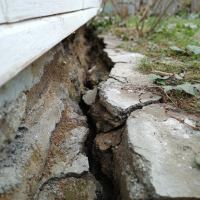
When it comes to real estate, a home’s foundation is more than just concrete and structure—it’s the base that supports the entire property. Yet, small cracks or minor shifts in the foundation often get overlooked. At first glance, they may seem harmless, but the long-term impact of ignoring them can be significant for both homeowners and potential buyers.
A foundation that isn’t properly maintained can gradually affect other parts of the home. Walls may begin to show uneven lines, floors can develop a slope, and doors or windows may no longer close smoothly. These subtle changes are not only inconvenient but can also reduce the overall appeal and market value of the property.
For homeowners, delaying repairs often means facing higher costs down the road. What could have been addressed with a simple adjustment may eventually require extensive structural work. For sellers, visible foundation issues can discourage buyers, create concerns about safety, and slow down the sale process. On the other hand, a property with a sound and stable foundation sends a strong message of care and reliability.
Foundation health also matters for future renovations. Whether planning to finish a basement, add an extension, or simply update the interior, structural stability ensures that the investment is protected. Ignoring minor shifts today can compromise those plans tomorrow.
In Canadian housing, where seasonal changes and soil conditions can naturally influence foundations, early attention is key. Regular inspections, timely repairs, and professional guidance help preserve both the value of the property and the peace of mind of its owners.
Taking minor foundation shifts seriously is not just about fixing cracks—it’s about safeguarding the long-term integrity of the home.