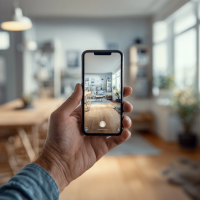
Virtual tours have become a core component of contemporary real estate marketing, offering buyers a convenient and highly informative way to explore properties before visiting them in person. As consumer expectations evolve and digital engagement continues to grow, virtual tours provide a level of accessibility and transparency that traditional marketing tools cannot match.
1. Expanding the Buyer Pool
Virtual tours allow potential buyers to view a property anytime and from anywhere. This is especially valuable for out-of-town buyers, relocating families, and investors who may not have the opportunity to attend in-person showings. By removing geographical barriers, virtual tours significantly widen the audience a listing can reach.
2. Offering a Realistic Sense of Space
High-quality virtual tours give viewers an accurate understanding of layout, room flow, and proportions. Unlike static photos, they allow buyers to navigate through a home at their own pace, giving a more authentic and immersive experience. This level of realism helps buyers determine whether a property fits their needs before scheduling a physical visit.
3. Saving Time for Buyers and Sellers
Because virtual tours effectively pre-qualify interest, they reduce the number of unnecessary showings. Buyers can screen properties more efficiently, and sellers benefit from hosting only serious, well-informed prospects. This streamlined process leads to fewer disruptions and more productive in-person appointments.
4. Enhancing Listing Presentation
A professionally produced virtual tour elevates the overall quality of a listing. It signals that the seller and agent are using modern, high-value marketing strategies. In a competitive market, this can differentiate a listing and increase engagement, as buyers are more likely to spend additional time exploring an interactive tour.
5. Supporting Transparent Decision-Making
Virtual tours make the viewing process more transparent by offering consistent, comprehensive property exposure. Buyers can revisit the tour multiple times, share it with family members, and compare it with other properties. This repeat accessibility supports confidence and reduces uncertainty during the decision-making process.
6. Improving Marketing Performance Across Platforms
Listings that include virtual tours typically generate higher engagement on real estate platforms, social media, and brokerage websites. Longer viewing times and increased interaction often lead to stronger interest and, in some cases, faster offers.
7. Adapting to Shifts in Consumer Behaviour
Today’s buyers expect digital convenience and rely heavily on online research. Virtual tours align with these trends by providing an intuitive, on-demand experience. As a result, they are no longer considered an optional addition but a standard expectation in many markets.
Conclusion
Virtual tours have transformed the way real estate is marketed by combining accessibility, accuracy, and interactive engagement. They streamline the search process, elevate listing quality, and meet the growing demand for digital-first experiences. As the industry continues to evolve, virtual tours will remain a crucial tool for reaching buyers and presenting properties effectively.