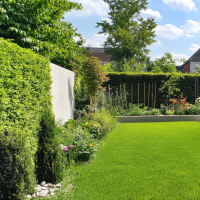
A large yard can be a dream come true for many homeowners, offering space for gardening, outdoor activities, and even future expansions. However, owning a property with a big yard also comes with its own set of challenges and considerations. Before making the leap, it’s important to weigh the pros and cons to ensure this type of property aligns with your lifestyle and goals.
1. Maintenance Requirements
A spacious yard requires ongoing upkeep:
Mowing the lawn, trimming hedges, and raking leaves can become time-consuming tasks.
Large properties may need professional landscaping services, which can be costly.
Irrigation systems, fertilizers, and pest control add to the maintenance expenses.
If you’re not prepared for the workload or costs, a smaller yard might be a better fit.
2. Privacy and Security
While a large yard offers plenty of space, it can also present privacy concerns:
Neighbors or passersby may have a clearer view of your property, especially if there are no fences or trees.
A bigger perimeter means more area to secure, increasing the risk of trespassing or theft.
Installing fences, gates, or security systems can help, but these come with additional costs.
Consider how much privacy and security matter to you when evaluating the property.
3. Utility Costs
Large yards often lead to higher utility bills:
Watering expansive lawns or gardens can significantly increase water usage.
Outdoor lighting, pool maintenance (if applicable), and heating structures like sheds or patios add to energy costs.
In colder climates, snow removal from driveways and walkways can also be an expense.
Factor these ongoing costs into your budget to avoid surprises.
4. Future Development Potential
A large yard can offer opportunities for customization and expansion:
Extra space allows for additions like a guest house, garage, or outdoor kitchen.
You may be able to subdivide the lot and sell part of it, depending on local regulations.
The potential to grow food, create a playground, or install recreational features like a pool or tennis court adds long-term value.
Think about how you’d like to use the space now and in the future.
5. Impact on Resale Value
While a large yard can be appealing to some buyers, it may deter others:
Families with children or pets may love the extra space for play and activities.
Buyers who prioritize low-maintenance properties may see a big yard as a liability.
In urban areas, large lots are often rare and highly desirable, but in rural areas, they may be less unique.
Understanding the preferences of buyers in your area helps assess the property’s resale potential.
6. Environmental Considerations
Owning a large yard has environmental implications:
Expansive lawns require more water, fertilizer, and pesticides, which can harm local ecosystems.
Planting native trees, shrubs, and flowers can support biodiversity and reduce maintenance needs.
Proper drainage systems are essential to prevent soil erosion and water pooling.
Balancing aesthetics with sustainability ensures your yard benefits both you and the environment.
7. Proximity to Nature
A large yard often brings you closer to nature, but this can have mixed effects:
Benefits include fresh air, scenic views, and opportunities for gardening or wildlife observation.
Challenges might include dealing with pests, noise from nearby forests or fields, or seasonal issues like fallen leaves or mud.
Living near wooded areas or water bodies can attract wildlife, which may damage plants or pose safety risks.
Assess whether the natural surroundings enhance or complicate your lifestyle.
8. Cost of Ownership
The initial price of a property with a large yard may seem attractive, but don’t overlook hidden costs:
Property taxes are often higher for larger lots, especially in desirable areas.
Insurance premiums may increase due to the added risk of damage or liability.
Landscaping, fencing, and other improvements can quickly add up after purchase.
Ensure your budget accounts for both upfront and ongoing expenses.
By carefully considering these factors, you can determine whether a property with a large yard is the right choice for you. While the benefits of extra space and flexibility are undeniable, the associated responsibilities and costs require thoughtful planning. With the right approach, a large yard can become a cherished extension of your home.