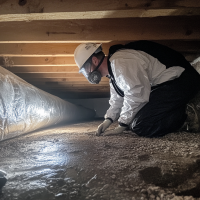
Buying a home is an exciting milestone, but it’s important to look beyond the surface to avoid unexpected expenses down the road. Hidden issues can quickly turn into costly repairs if not identified early. Here’s what to focus on during your search to ensure you choose a home that’s as solid as it looks.
1. Foundation and Structural Integrity
The foundation is the backbone of any home, and problems here can lead to major headaches:
Look for cracks in the walls, ceilings, or foundation itself—hairline cracks are common, but larger gaps may indicate structural issues.
Check for sloping floors or sticking doors and windows, which could signal settling or shifting.
Ask about the age of the foundation and whether any repairs have been made.
A strong foundation ensures the home is safe and stable for years to come.
2. Roof Condition
The roof is another critical area that can cause significant expenses if neglected:
Asphalt shingle roofs typically last 15–20 years, while metal or tile roofs can last 50+ years. Confirm the roof’s age and material.
Look for missing, curling, or damaged shingles, as well as signs of water stains on ceilings or in the attic.
Consider hiring a roofing inspector if you’re unsure about its condition.
Replacing a roof can cost thousands, so prioritize homes with newer or well-maintained roofs.
3. Plumbing and Water Systems
Water damage is one of the most common causes of expensive repairs:
Check for leaks under sinks, around toilets, and near water heaters.
Look for damp spots, mold, or mildew in basements, bathrooms, or crawl spaces.
Test water pressure and drainage to ensure the plumbing system is functioning properly.
If the home has older pipes (e.g., galvanized steel), consider the cost of upgrading to modern materials like PEX or copper.
4. Electrical System
Outdated or faulty electrical systems can pose safety risks and require costly upgrades:
Confirm the home’s electrical panel is up to code and has enough capacity for modern appliances.
Look for signs of outdated wiring, such as knob-and-tube or aluminum wiring, which may need replacement.
Test outlets, switches, and lighting to ensure they work properly.
If the home was built before the 1980s, it’s worth having an electrician inspect the system.
5. Heating, Ventilation, and Air Conditioning (HVAC)
The HVAC system plays a key role in comfort and energy efficiency:
Find out the age of the furnace, air conditioner, and water heater—most systems last 10–20 years.
Listen for unusual noises or smells when the system is running, which could indicate problems.
Check energy efficiency ratings (e.g., SEER for air conditioners) to ensure lower utility bills.
Replacing or repairing HVAC components can be expensive, so prioritize homes with newer or well-maintained systems.
6. Insulation and Windows
Proper insulation and high-quality windows improve energy efficiency and comfort:
Inspect the attic and walls for adequate insulation—fiberglass, foam, or cellulose are common materials.
Check windows for drafts, fogging between panes, or difficulty opening and closing.
Look for double- or triple-pane windows with low-E coatings for better insulation.
Poor insulation and inefficient windows can lead to higher heating and cooling costs.
7. Pest Infestations
Pests can cause significant damage if left unchecked:
Look for signs of termites, rodents, or other pests, such as droppings, chewed wires, or damaged wood.
Pay attention to musty smells or visible nests in basements, attics, or crawl spaces.
Ask if the home has been inspected for pests recently and request documentation if available.
Addressing pest issues early can save thousands in repair costs.
8. Drainage and Landscaping
Proper drainage prevents water damage and foundation issues:
Check the grading around the home—it should slope away from the foundation to direct water away.
Look for pooling water or soggy areas in the yard after rain.
Inspect gutters and downspouts to ensure they’re clean and functioning properly.
Poor drainage can lead to basement flooding, mold growth, and structural damage.
9. Appliances and Fixtures
Old or malfunctioning appliances can add unexpected expenses:
Test appliances like the stove, refrigerator, dishwasher, and washer/dryer to confirm they work.
Check the age of major fixtures like the water heater and furnace—if they’re nearing the end of their lifespan, factor in replacement costs.
Consider whether you’d need to upgrade to energy-efficient models for long-term savings.
Including these costs in your budget helps avoid surprises later.
By paying close attention to these areas, you’ll minimize the risk of costly repairs and ensure your new home is a sound investment. A thorough inspection and proactive approach can save you time, money, and stress in the long run.