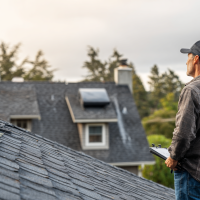
A home’s roof is one of its most critical components, protecting the property from weather, maintaining energy efficiency, and contributing to overall structural integrity. When considering older homes, the roof often deserves extra attention. Aging roof structures can present hidden risks that affect both safety and long-term maintenance costs.
One of the first signs to monitor is the condition of shingles or tiles. Over time, roofing materials can become brittle, curl, or crack, reducing their ability to shed water effectively. Missing or damaged shingles may lead to leaks, water damage, and even mold growth inside the home. A visual inspection, ideally conducted by a professional, helps identify these issues before they become serious.
The underlying structure is equally important. Roofs rely on a framework of rafters, trusses, and decking to support weight and resist environmental stresses. Older homes may have experienced settling, wood rot, or pest damage, which can compromise this framework. Signs of sagging, uneven surfaces, or water stains on ceilings may indicate structural concerns that need prompt evaluation.
Flashing and ventilation are often overlooked but critical aspects of roof health. Improper or deteriorated flashing around chimneys, vents, and skylights can allow water to penetrate, while poor ventilation can lead to heat buildup and accelerated wear on materials. Ensuring these elements are in good condition extends roof lifespan and prevents costly repairs.
Electrical and mechanical integrations also deserve consideration. Older roofs may house outdated wiring, plumbing vents, or satellite systems that were installed without current safety standards. Inspecting these components ensures that any necessary upgrades can be planned before they pose hazards or complicate future renovations.
Finally, the age of the roof itself is a key factor. Most roofing materials have a recommended lifespan—20–25 years for asphalt shingles, 30–50 for metal, and longer for tile or slate. Homes with roofs nearing the end of their expected life may require replacement soon after purchase, which should be factored into the overall investment decision.
In summary, older roof structures require careful evaluation to protect the home and its occupants. By watching for material deterioration, structural issues, ventilation problems, and age-related limitations, buyers and homeowners can plan maintenance, avoid surprises, and ensure the property remains safe and durable for years to come.