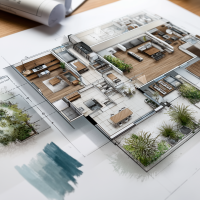
Square footage often grabs attention first, but it rarely tells the full story of how a home actually lives. Two properties with the same size can feel completely different once you step inside, and that difference usually comes down to the floor plan.
A well-designed layout makes everyday life easier. When rooms flow naturally and spaces are placed with intention, a home feels comfortable rather than cramped, even if it isn’t large. Clear sightlines, logical transitions between rooms, and the right balance between open and private areas allow people to move through the home without friction. In contrast, a larger home with an awkward layout can feel disconnected and inefficient.
Floor plans also shape how flexible a home can be over time. Needs change — a spare bedroom becomes a home office, a dining area turns into a study space, or a finished basement evolves into a multi-purpose zone. Homes with adaptable layouts make these transitions simple, while rigid designs limit how spaces can be used. Buyers increasingly look for homes that can grow and shift with their lifestyle.
Natural light and proportion are closely tied to layout as well. A smart floor plan places windows where they matter most and avoids long, dark corridors that waste usable space. Rooms that are properly scaled feel more comfortable and functional than oversized areas that lack purpose. This balance often matters more than total square footage.
Privacy is another key factor influenced by layout. Thoughtful separation between living areas and bedrooms creates a sense of calm, especially in households with multiple routines happening at once. Even in smaller homes, a good floor plan can offer privacy without sacrificing openness.
In the long run, floor plans tend to age better than size alone. Square footage is easy to measure, but livability is what people remember. A home that feels intuitive, flexible, and comfortable will always stand out — regardless of how large it is on paper.