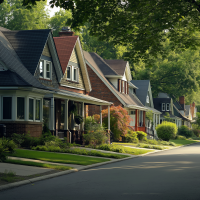
Walkability has become a key consideration for homebuyers and renters alike. Living in a walkable neighborhood offers more than just convenience—it enhances your lifestyle, saves money, and even benefits the environment. Here’s why prioritizing walkability can make a significant difference in your quality of life.
1. Convenience and Time Savings
A walkable neighborhood puts essential services and amenities within easy reach:
Grocery stores, cafes, schools, and parks are just a short stroll away, reducing the need for a car.
Running errands becomes faster and easier, freeing up time for hobbies, family, or relaxation.
Commuting to work or public transit hubs is often simpler in pedestrian-friendly areas.
By cutting down on travel time, you can focus more on what truly matters to you.
2. Health Benefits
Walking is one of the easiest ways to stay active and improve your physical and mental health:
Daily walks help reduce the risk of chronic conditions like heart disease, diabetes, and obesity.
Walking also boosts mood, reduces stress, and improves overall mental well-being.
A walkable neighborhood encourages an active lifestyle without requiring extra effort or gym memberships.
Living in a community designed for walking makes it easier to incorporate exercise into your routine.
3. Cost Savings
Reducing reliance on cars can lead to significant financial savings:
Fewer trips by car mean lower fuel costs, parking fees, and vehicle maintenance expenses.
In some cases, you may even be able to downsize to one car—or go car-free entirely—saving on insurance and registration.
Walkable neighborhoods often have better access to public transit, which is typically more affordable than owning a vehicle.
These savings can add up over time, making walkability a smart financial choice.
4. Environmental Impact
Choosing a walkable neighborhood is a step toward a more sustainable lifestyle:
Walking produces zero emissions, helping reduce your carbon footprint.
Walkable areas often promote the use of public transit, cycling, and other eco-friendly transportation options.
By supporting local businesses within walking distance, you contribute to a thriving, environmentally conscious community.
Small changes in daily habits can have a big impact on the planet.
5. Community Connection
Walkable neighborhoods foster a stronger sense of community:
Streets with sidewalks, parks, and local shops encourage interaction among residents.
You’re more likely to meet neighbors, build relationships, and feel connected to your surroundings.
Events like farmers’ markets, festivals, or outdoor concerts are often more accessible in walkable areas.
A strong sense of community adds to your overall happiness and belonging.
6. Higher Property Value
Homes in walkable neighborhoods tend to hold or increase their value over time:
Buyers are willing to pay a premium for properties in convenient, amenity-rich locations.
Walkability scores (available on real estate websites) are increasingly used as a measure of desirability.
As urbanization grows, demand for walkable areas is expected to rise, making these properties even more valuable.
Investing in a walkable neighborhood can pay off when it’s time to sell.
7. Access to Local Culture and Dining
Walkable neighborhoods often have vibrant cultural scenes and dining options:
Explore local restaurants, cafes, and bars without needing a reservation or worrying about driving.
Attend art galleries, theaters, or music venues that are just steps from your door.
Support small businesses and enjoy unique experiences that reflect the character of your community.
Living in a lively area adds excitement and variety to your daily life.
8. Safety and Accessibility
Pedestrian-friendly areas are often designed with safety in mind:
Well-lit streets, crosswalks, and sidewalks make walking safer for residents of all ages.
Proximity to emergency services, hospitals, and schools provides peace of mind.
Walkable neighborhoods are often more accessible for seniors, children, and people with mobility challenges.
A safe and accessible environment ensures comfort and security for everyone.
By choosing a home in a walkable neighborhood, you’re not just investing in a property—you’re investing in a lifestyle. From saving time and money to improving your health and connecting with your community, walkability offers countless benefits that enhance your everyday life.