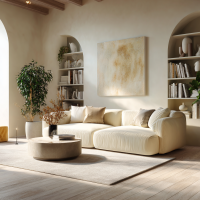
Interior design is more than an aesthetic choice — it actively shapes how people feel, behave, and move through their daily routines. From lighting and layout to color and material selection, the environment we live in has a subtle but consistent influence on mood, productivity, and overall lifestyle patterns.
Lighting and Energy Levels
Lighting is one of the most powerful factors affecting mood. Natural light tends to support alertness and a sense of well-being, while warm, diffused artificial lighting creates a calmer, more relaxed atmosphere. Spaces with well-balanced lighting often feel more comfortable to spend time in, which can encourage healthier sleep patterns, improved focus, and a more natural daily rhythm.
Color Psychology and Emotional Response
Colors can influence emotional states in both conscious and subconscious ways. Neutral tones often create a sense of calm and stability, while warmer hues may feel energizing and inviting. Cooler shades can promote concentration and clarity. When used intentionally, color palettes help set the tone of a space and subtly guide how people feel within it.
Layout and Behavioral Flow
The way a space is organized affects how people move and interact within it. Open layouts can encourage social interaction and flexibility, while more defined zones support focus and privacy. Logical, intuitive layouts reduce friction in daily tasks — making it easier to cook, work, relax, or transition between activities without unnecessary effort.
Clutter vs. Order
Visual clutter can increase stress and mental fatigue, while organized environments tend to promote a sense of control and calm. Storage solutions, minimal surface clutter, and clear spatial organization contribute to a more آرام environment. When everything has its place, daily routines become more efficient and less mentally demanding.
Materials, Textures, and Sensory Experience
The tactile and visual qualities of materials also play a role in how a space feels. Natural materials like wood, stone, and textiles often create warmth and comfort, while smoother, reflective surfaces can feel more modern and structured. The combination of textures adds depth to the environment and influences how inviting a space appears.
Personalization and Emotional Connection
Spaces that reflect personal identity tend to feel more comfortable and supportive. Artwork, meaningful objects, and curated decor create a sense of belonging. When a home aligns with a person’s preferences and memories, it becomes easier to relax and maintain positive emotional states within it.
Zoning and Habit Formation
Interior design can reinforce daily habits by assigning purpose to different areas of the home. A dedicated workspace encourages productivity, a designated relaxation zone supports rest, and a well-organized kitchen promotes healthier cooking habits. Over time, these spatial cues help establish consistent routines without conscious effort.
In Conclusion
Interior design quietly shapes how people think, feel, and behave throughout the day. By influencing light, layout, color, and organization, a well-designed space supports better habits and a more balanced emotional state. Ultimately, the most effective interiors are not only visually appealing but also aligned with the way people live their lives.