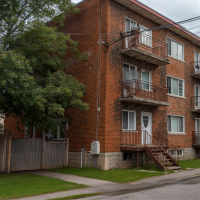
A multi-unit property looks great on paper. Multiple doors, multiple income streams, one purchase. It’s easy to see why buyers are drawn to the idea — especially when rent numbers start getting added up in your head.
But before you move forward, it’s worth slowing down and understanding what actually changes when you stop buying a home and start buying an income property.
Cash flow is the first reality check. Gross rent means very little on its own. What matters is what’s left after expenses — taxes, insurance, maintenance, vacancies, utilities, and management if you’re not self-managing. A property that “cash flows” only when everything goes perfectly usually doesn’t.
Financing also works differently. Lenders look at multi-unit properties through a stricter lens. Down payment requirements are often higher, qualification rules can be tighter, and rental income isn’t always counted dollar-for-dollar. The structure of the building — duplex, triplex, or larger — changes the math.
Then there’s tenant concentration. With a single-family rental, one vacancy means no income. With a multi-unit, risk is spread out — but problems multiply too. More tenants means more communication, more wear and tear, and more moving parts. It’s scalable, but it’s not passive.
Location matters even more than usual. A multi-unit in the wrong area can be hard to stabilize, while one in a strong rental market can outperform expectations for years. Vacancy rates, tenant demand, and local regulations all play a bigger role than curb appeal.
Finally, be honest about your involvement. Some buyers want hands-on management. Others want distance. Multi-unit properties reward clarity. If you’re not prepared for increased responsibility, professional management needs to be part of the numbers from day one.
A multi-unit property can be a powerful long-term investment — but only when it’s approached as a business, not just a bigger purchase.