
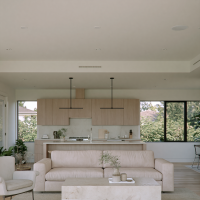
Every home changes over time, but not every property shows its age in the same way. Some homes remain attractive, functional, and comfortable for decades, while others begin to feel outdated or require frequent repairs much sooner. The difference is often less about the home's age and more about how it was designed, built, and maintained.
One important factor is the quality of the original construction. Durable materials, solid workmanship, properly installed roofing, good-quality windows, and reliable mechanical systems can help a property withstand years of everyday use. These features may not always be obvious during a quick viewing, but they can have a meaningful impact over the long term.
Maintenance is equally important. Even a well-built home can deteriorate quickly if essential systems are neglected. Regular attention to the roof, exterior, plumbing, heating, ventilation, windows, and other components can help identify smaller issues before they become expensive problems.
The design of a home can also influence how well it ages. Timeless layouts and practical spaces tend to remain useful even as decorating trends change. A home that relies heavily on very specific design trends may look dated sooner, while a simple, functional layout can continue to work for different owners and lifestyles.
Flexibility is another advantage. Homes with adaptable rooms, sufficient storage, and spaces that can serve multiple purposes may remain useful as household needs change. A room that works as an office today could become a bedroom, study, or hobby space in the future.
Location also plays a role in long-term desirability. Established neighbourhoods with access to transportation, schools, parks, shopping, and everyday services can continue to attract buyers as the surrounding community evolves.
This does not mean an older home is automatically better than a newer one. New construction can offer modern building standards, energy-efficient systems, updated layouts, and lower immediate maintenance requirements. The key is to look at the overall quality and condition rather than relying on the construction date alone.
For buyers, understanding how a property is likely to age can be more useful than simply asking how old it is. Look at the materials, maintenance history, major systems, layout, and surrounding neighbourhood.
A home that ages well is not necessarily one that stays frozen in time. It is one that continues to function, adapt, and provide value as both the property and the people living in it change.

