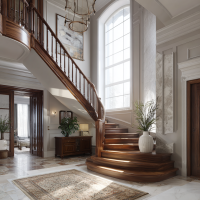
In a competitive property landscape, it’s often the architectural details — not just size or location — that define a home’s character and desirability. Thoughtfully designed features can elevate a property from standard to distinctive, creating a lasting impression and enhancing both lifestyle and value.
Statement Entrances and Facades
The first impression of a home begins at the entrance. A well-designed facade, a grand doorway, or a carefully composed entry path immediately sets the tone. Elements such as symmetry, materials, lighting, and scale all contribute to a sense of identity before one even steps inside. A memorable entrance creates emotional appeal and reinforces the uniqueness of the property.
High Ceilings and Open Space
Ceiling height plays a major role in how a space feels. Higher ceilings introduce airiness, natural light, and a sense of openness that cannot be replicated by furniture or decor alone. Double-height living areas or vaulted ceilings often become focal points of the home, adding both drama and comfort to everyday living.
Large Windows and Natural Light Orientation
Generous windows and thoughtful orientation toward natural light transform interiors. Floor-to-ceiling glazing, corner windows, or strategically placed openings connect indoor spaces with the outdoors, enhancing both aesthetics and functionality. Natural light not only improves the visual quality of a home but also influences mood and energy throughout the day.
Architectural Transitions and Flow
Unique homes often stand out because of how spaces connect rather than how they look individually. Arches, split levels, open-plan layouts, or subtle zoning techniques create smooth transitions between areas. This sense of flow adds depth to the experience of moving through a home and contributes to a more intuitive living environment.
Material Contrast and Texture
The combination of materials — wood, stone, metal, glass — can define the personality of a home. When used thoughtfully, contrasting textures create visual interest without overwhelming the space. Exposed beams, brick accents, or polished concrete floors are examples of elements that add character while maintaining cohesion.
Custom Built-Ins and Integrated Design
Built-in shelving, seating, or storage solutions are more than functional additions — they are part of the architectural language of a home. When integrated seamlessly into walls or structural elements, they enhance both usability and aesthetics, reducing clutter while reinforcing a tailored design approach.
Unique Spatial Features and Nooks
Unconventional spaces such as reading alcoves, window seats, mezzanines, or under-stair solutions introduce personality and flexibility. These micro-spaces often become the most cherished parts of a home, offering comfort, privacy, or simply a sense of discovery within the layout.
Outdoor-Indoor Integration
Patios, terraces, balconies, and courtyards extend the living space beyond the interior walls. When designed as a natural continuation of the home, these areas blur the boundary between inside and outside, creating a more expansive and versatile living experience.
In Conclusion
What makes a home truly unique is not a single standout feature, but the combination of thoughtful architectural decisions that work together. From light and layout to materials and transitions, these elements shape not only how a home looks, but how it feels and functions. In the end, architecture is what turns a structure into a distinctive living experience.