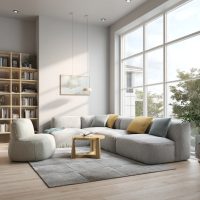
Corner units consistently sell at a premium in most condominium and residential markets, and this price difference is not accidental. It is driven by a combination of physical characteristics, perceived lifestyle benefits, and long-term demand dynamics that make these units more desirable to a broad range of buyers.
One of the primary reasons is increased natural light. Corner units typically have windows on two sides of the building instead of just one. This allows significantly more daylight to enter the space throughout the day, creating a brighter and more open feeling. In urban environments where surrounding buildings can block sunlight, this becomes a major quality-of-life advantage.
Another key factor is improved privacy. With fewer shared walls and often only one neighboring unit on one side, corner units tend to feel more private and quieter. Reduced foot traffic and fewer adjacent neighbors can minimize noise transfer, which is especially valuable in dense condominium buildings where sound insulation varies widely between developments.
Layout flexibility also plays a role. Corner units often have more complex or larger floor plans due to their positioning within the building structure. This can allow for more separation between living spaces, better bedroom placement, or additional windows in areas like kitchens and dining rooms. Buyers often perceive this as a more “home-like” experience compared to standard interior units.
Views are another major pricing driver. Because corner units are positioned at the edges of buildings, they often offer multiple directional views — for example, both city skyline and lake or park views depending on orientation. Even when the difference in view is subtle, the perception of openness and reduced visual obstruction adds to overall value.
There is also a psychological pricing effect at play. Buyers tend to associate corner units with exclusivity. Since there are fewer corner units per floor, scarcity naturally increases demand. In real estate markets, scarcity often translates directly into higher willingness to pay, even when square footage is similar to other units.
However, corner units are not without trade-offs. They can sometimes be slightly more expensive to heat or cool due to additional exterior walls and windows. In some buildings, they may also experience more wind exposure or temperature variation depending on orientation and insulation quality. These factors vary significantly by construction standards and building design.
Resale dynamics further reinforce the price premium. Because corner units are consistently in demand, they often maintain stronger resale value and liquidity compared to standard layouts. Buyers entering the market later tend to prioritize these units, which supports sustained pricing strength over time.
Ultimately, the higher cost of corner units reflects a combination of tangible benefits and perceived lifestyle advantages. More light, more privacy, better views, and greater scarcity create a product that feels meaningfully different from standard layouts, even within the same building. For many buyers, these advantages justify the premium both in daily living experience and long-term value retention.